
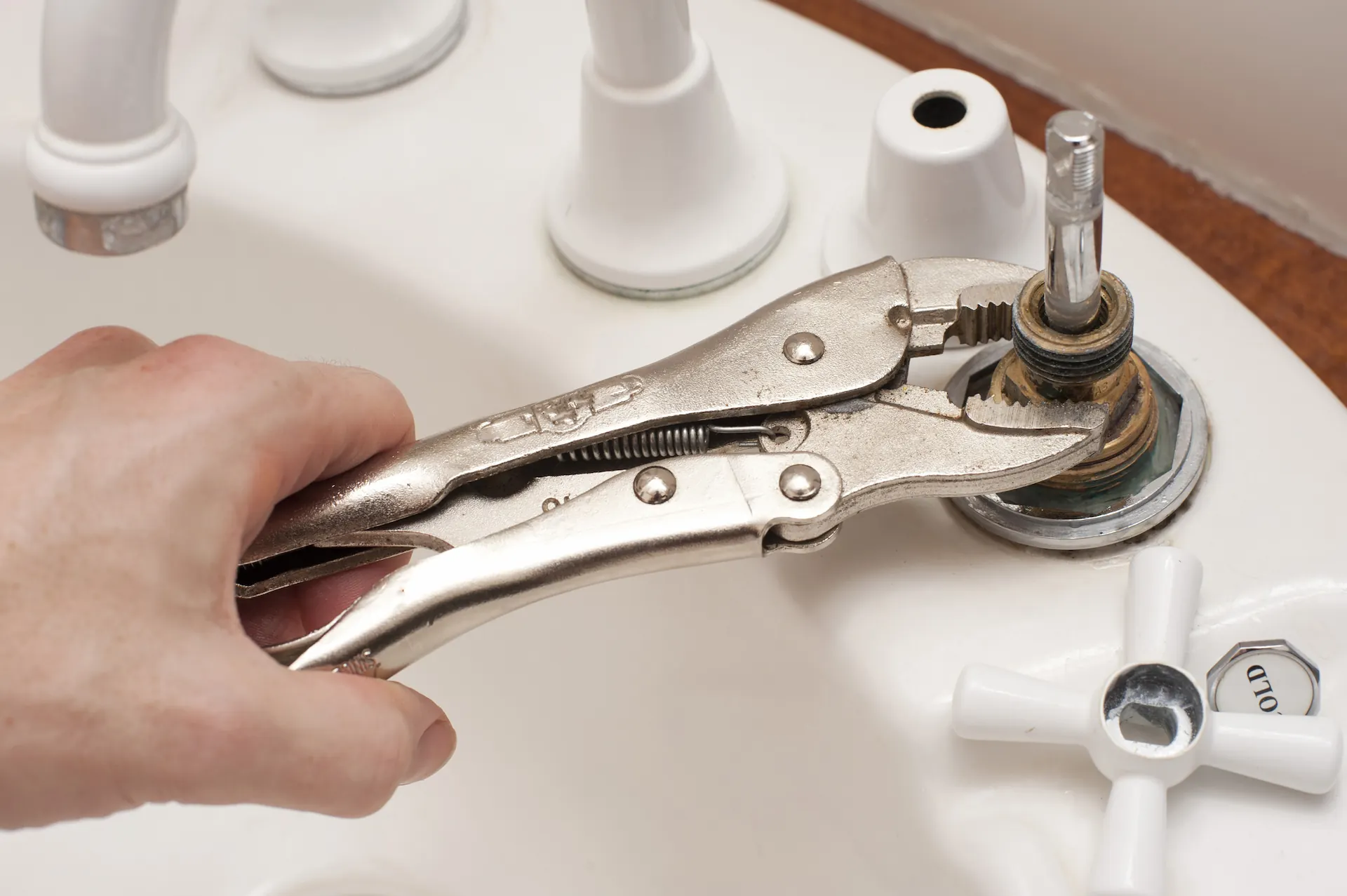
What is a “repipe,” and when do you need one?
A repipe is the process of replacing some or all of your home’s water supply piping (hot and cold lines) when existing pipes are corroded, leaking, or no longer delivering reliable flow. You may need repiping if you have frequent leaks, discolored water, chronically low pressure, or older pipe materials that are failing over time.
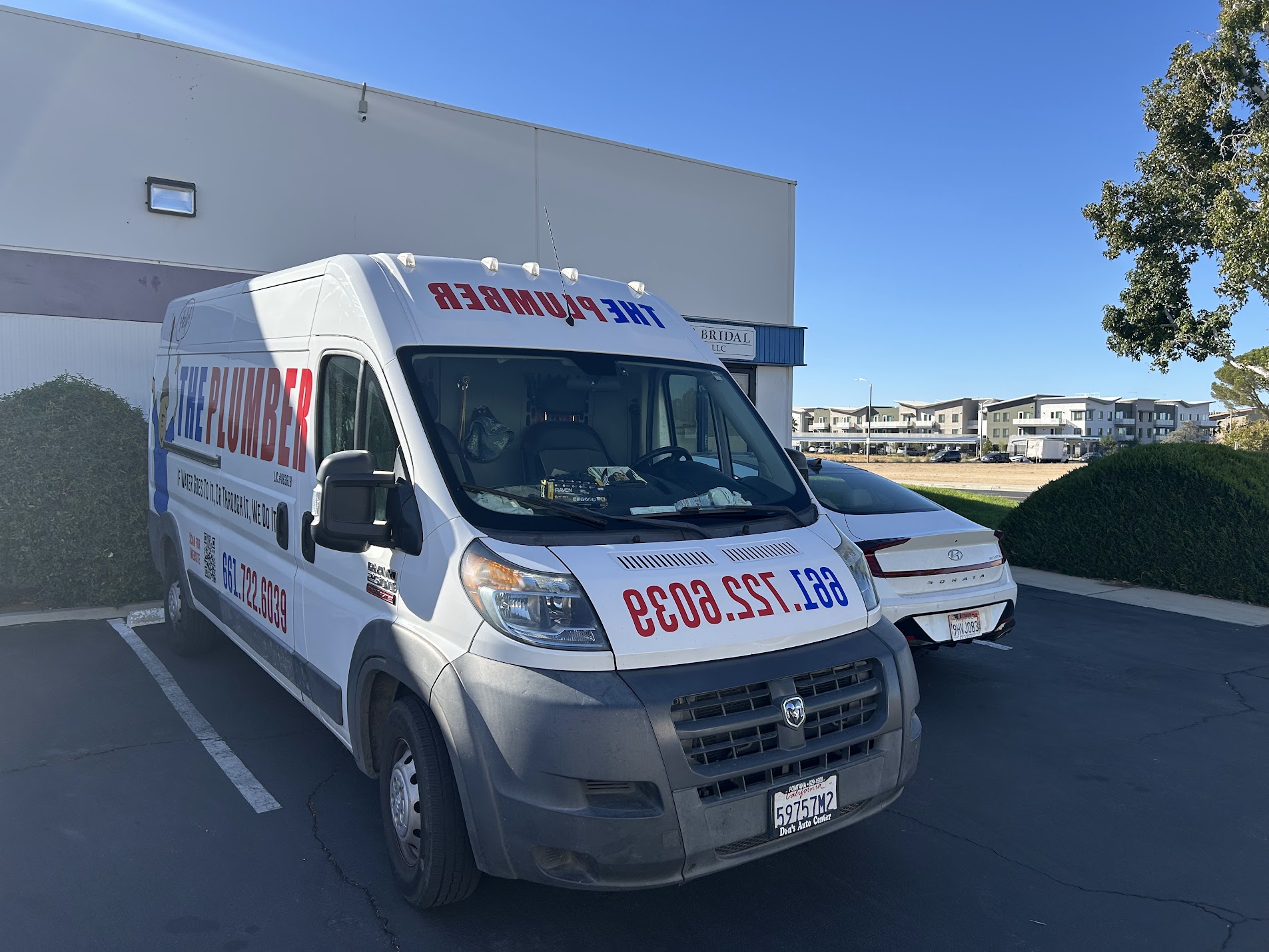
Why homeowners choose Professional Repipe Plumbing Services in Lancaster, CA
Plumbing problems can be stressful—especially when they keep coming back. We built our business around making the experience simpler: clear communication, skilled workmanship, and plumbing solutions that hold up.
On our team, you’ll find:
- Responsive plumbing service when issues can’t wait
- Family-owned and operated service in Lancaster since 2003
- Trained, knowledgeable plumbers who can guide you through options without pressure
When repiping is the right call, we focus on doing it the right way—so you’re not stuck repairing “the next leak” a month later.
Signs you may need a whole-house repipe in Lancaster, CA
Not every leak means you need a full repipe. But certain patterns are strong warning signs that the piping system is reaching the end of its useful life.
Common repipe red flags
- Repeated leaks (especially in different areas of the home)
- Water discoloration (yellow/brown tint or metallic smell/taste)
- Low water pressure throughout the house
- Noisy plumbing (banging, rattling, or vibrating when water runs)
- Water stains, damp drywall, or recurring mildew odors
- A spike in your water bill with no change in usage (often linked to hidden leaks—similar to what homeowners notice with slab leaks)
If you’re seeing multiple symptoms at once, it’s worth having us inspect your system and talk through whether targeted repairs or repiping makes the most sense.
Pipe corrosion, pinhole leaks, and aging plumbing lines
Many homeowners first call us for a “small leak,” only to discover the bigger issue is the condition of the pipes behind the walls. Corrosion can thin pipe walls over time until pinhole leaks appear. The challenge is that once a piping system starts failing in multiple locations, isolated repairs can become a cycle.
A repipe is often the clean break: instead of patching weak points one at a time, we upgrade the water lines so you can stop worrying every time you hear water running.
PEX vs. copper repiping in Lancaster, CA
One of the first decisions in a repipe project is material selection. The most common modern options are PEX and copper.
PEX repipe (cross-linked polyethylene)
PEX is flexible, corrosion-resistant, and often faster to install due to fewer rigid connections. It’s also popular in repipe projects because it can route efficiently through walls and ceilings.
Copper repipe
Copper has a long track record, and many homeowners like its proven durability. Copper repiping can be an excellent fit depending on your home’s layout and needs.
Our approach: we’ll explain the pros and cons based on your property—not a one-size-fits-all pitch. (If you’re already exploring material differences, these overviews can help you understand general tradeoffs before we inspect.)
What to expect during a whole-house repipe
Repiping sounds intimidating—most people picture walls torn open everywhere. In reality, a well-planned repipe is organized, staged, and focused on minimizing disruption.
A typical repipe workflow
- Home evaluation & planning – We assess pipe condition, fixture locations, and the best routing plan.
- Material and layout selection—We confirm the best pipe type and routing for your home.
- Installation – We replace or reroute lines as planned, keeping you informed throughout.
- Pressure testing & verification – We confirm the system holds pressure and delivers consistent flow.
- Final walkthrough – We review what was completed and answer your questions.
Repiping is a major project, and timelines vary. Many repipes can be completed in a few days, depending on home size and complexity.
Repipe plumbing services for slab leak prevention and recurring leak issues
Lancaster homeowners often call about slab leak symptoms: unexplained high water bills, the sound of running water, or damp spots.
Sometimes a slab leak repair is the right move. But if the system has multiple weak points—or if leaks keep happening—repiping may be the more reliable long-term solution.
Our goal is simple: solve the underlying problem, not just today’s symptom.
How repiping can improve water pressure and water quality
When pipes corrode internally, the effective diameter of the line can shrink, restricting flow. That’s when you start noticing the following:
- weak showers
- slow-filling tubs
- Inconsistent pressure when multiple fixtures run
A repipe can restore strong, steady flow by replacing restricted lines and ensuring your system is operating the way it should—especially across the whole home.
Local expertise matters: Lancaster homes, desert conditions, and real-world wear
Homes in the Antelope Valley face real plumbing stressors—age, water quality variables, and the simple reality of daily use over decades. That’s why we don’t “sell repipes.” We diagnose, explain, and recommend.
As a Lancaster-based company, we’re proud to serve Lancaster and nearby communities like Palmdale, Quartz Hill, Acton, Rosamond, and Leona Valley.
Why choose The Plumber for repiping in Lancaster, CA?
You’re inviting a team into your home for a major upgrade. You deserve a crew that respects your space and communicates clearly.
Here’s what we’re known for:
- Family-owned service with deep roots in the area (since 2003)
- Trained, knowledgeable plumbers who provide guidance and efficient service
- A customer-first approach built around long-term relationships
- Licensed California contractor (CSLB #863618)
We take pride in delivering work that helps you feel comfortable turning on a faucet again—without wondering what’s happening behind the walls.
People Also Ask (PAA)—repiping questions homeowners ask most
How do I know if my house needs repiping?
If you’re seeing repeated leaks, discolored water, widespread low pressure, or frequent plumbing repairs in multiple areas, it’s time to get your piping evaluated. A professional inspection can confirm whether repairs are enough—or if repiping is the smarter long-term fix.
How long does it take to repipe a house?
It depends on the size of the home, the number of fixtures, and how accessible the plumbing routes are. Many repipes can be completed within several days, but an on-site evaluation is the best way to estimate your timeline.
Is PEX or copper better for repiping?
Both can be great options. PEX is flexible and corrosion-resistant, while copper has a long-standing reputation and rigid structure. The “best” choice depends on your home’s layout, goals, and budget.
Will repiping increase home value?
Repiping can be a meaningful upgrade because it reduces the risk of future leaks and water damage. While resale value depends on many factors, a newer plumbing system can be a strong selling point—especially if the prior system was known to be problematic.
Do you have to open walls to repipe a house?
Some access is often necessary, but good planning minimizes how much is opened. The exact access points depend on your home’s design and routing options.
When a partial repipe makes sense.
Sometimes, the best solution isn’t a full repipe. Depending on the issue, we may recommend replacing only certain branches or sections
- Upgrading exposed lines in key areas
- addressing a specific recurring leak zone
We’ll walk you through options clearly so you can make the right call for your home and budget.